Thinking about listing your Turlock home with solar? You’re smart to ask how ownership versus a lease or PPA will affect your sale. Buyers love energy savings, but lenders, appraisers, and title companies look closely at how the system is owned and documented. In this guide, you’ll learn what to expect with owned panels versus a PPA or lease, how Turlock Irrigation District (TID) factors in, and exactly how to prepare your home for the market. Let’s dive in.
Owned vs PPA: what it means
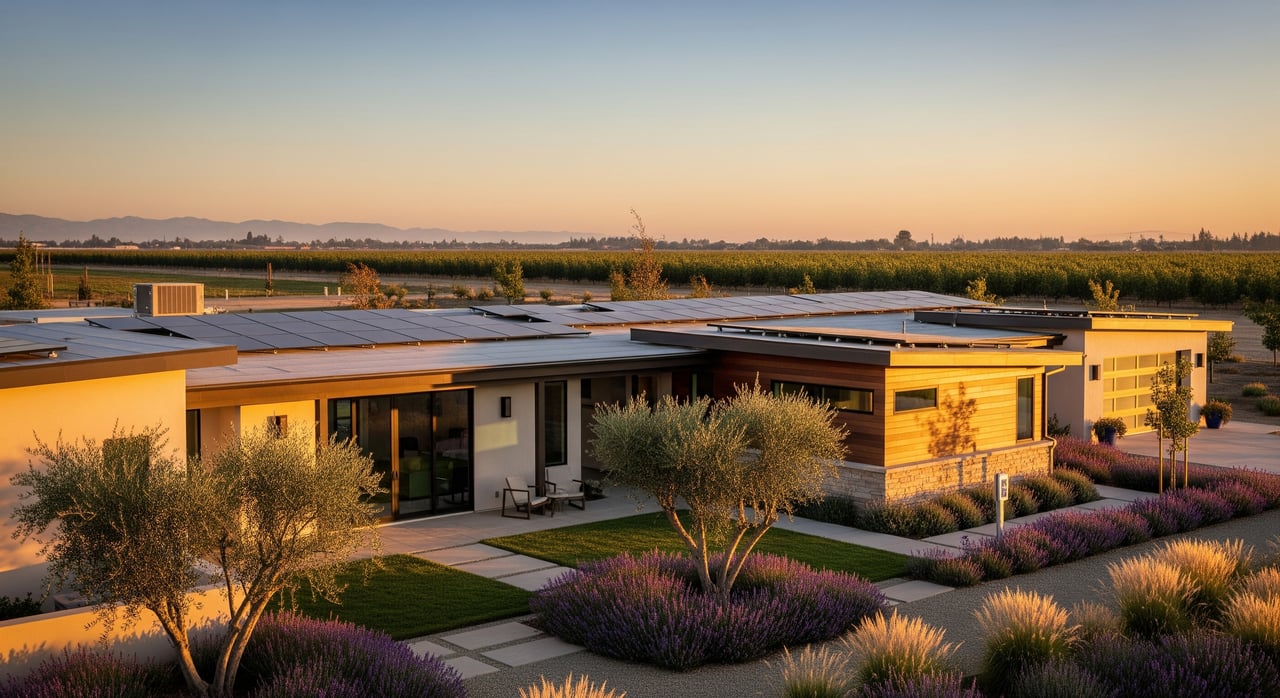
Owned solar means you hold title to the panels and equipment. You may have paid cash or financed them. In a sale, the system typically transfers with the property like any other improvement. Owned systems are generally simpler for buyers and lenders to accept.
A lease or Power Purchase Agreement (PPA) means a third party owns the system and you pay monthly for the equipment or for the power it produces. These contracts often run 10 to 25 years and include terms for transfer, assumption, or buyout. Because they are contracts tied to the property, they must be disclosed and addressed in title and escrow.
Why it matters: owned systems are usually viewed as an asset, while leases and PPAs add a recurring obligation that can affect buyer financing and pricing.
Why Turlock’s utility rules matter
Most of Turlock is served by Turlock Irrigation District. TID sets its own interconnection and net energy credit policies. These may differ from the rules that apply to investor‑owned utilities elsewhere in California. The practical value of a solar system for a buyer in Turlock depends on current TID credits, interconnection, and account transfer procedures.
What you should do now:
- Confirm your TID interconnection status and any special tariff your system uses.
- Ask TID how final billing and net energy credits are handled at sale.
- Make sure your installation permits were finaled and keep that paperwork handy.
Disclosures and title: what to provide
California sellers must disclose major systems and any material facts. Solar is on that list.
If your system is owned
- Provide permits, final inspection, and interconnection agreement.
- Share system size, age, make and model, and warranties.
- If you financed the system, be ready with payoff instructions and any lien release forms.
If your system is leased or PPA
- Disclose the full contract early. Include payment amount, remaining term, escalators, and service terms.
- Request a current buyout or termination quote in writing from the lessor.
- Provide assumption requirements, credit criteria, and a contact for the lessor.
- Title and escrow will check for recorded interests, such as a UCC filing. Share any notices you have.
Pro tip: offer 12 months of utility bills and production data. Clear documentation reduces surprises and builds buyer confidence.
Buyer financing: what lenders look for
Lenders treat owned solar and third‑party contracts differently.
Conventional loans
Owned systems are usually treated as part of the property. Leases and PPAs are typically counted as recurring debt, which can impact a buyer’s debt‑to‑income ratio and their loan approval. Most lenders require proof of assumability and buyer credit approval if a lease or PPA will remain in place.
FHA, VA, and USDA loans
Government‑backed programs often have stricter rules for third‑party solar. Many lenders will only approve if the lease is assumable and the buyer qualifies, or they may require payoff before closing. If your buyer is using these programs, expect extra documentation and possible delays.
Bottom line: an owned system keeps more loan options open. A lease or PPA can narrow the buyer pool unless you plan for a buyout or a smooth assumption process.
Appraisal and pricing: setting expectations
Independent research, including studies by Lawrence Berkeley National Laboratory, finds that owned residential solar systems often sell for a measurable premium on average. The amount varies by market, system size, age, and utility rates. Older studies report premiums of a few dollars per watt, but results depend on local conditions and documentation.
Appraisers will verify ownership, age, output, and warranties. They prefer to see comparable sales with similar solar ownership status. For leased or PPA systems, appraisers commonly do not add value for the equipment and may view the payments as a cost. For owned systems, production data, warranties, and maintenance records help support value.
Pricing guidance:
- Owned: reflect energy savings and market demand, but back it up with production and warranty documentation.
- Leased/PPA: consider price adjustments, seller credits, or a buyout to widen your buyer pool and reduce friction during appraisal and underwriting.
Closing and utility transfers
Owned systems
- Coordinate any solar loan payoff and lien release with escrow and your lender.
- Prepare warranty transfer steps and monitoring account handoff.
- Confirm with TID how final billing and any credits will be handled at closing.
Leased or PPA systems
- Decide early: buyer assumption, seller buyout, or a seller credit.
- If the buyer will assume, start the lessor’s credit approval process right away. Build in time.
- Provide escrow with any recorded notices and assignment forms the lessor requires.
- Confirm with TID how interconnection and billing continue after closing under the contract.
Pre‑listing checklist for Turlock sellers
Gather these items before you hit the market.
For all solar homes
- Permits and final inspection sign‑offs.
- Interconnection agreement with TID.
- Last 12 months of utility bills and production data.
- System specs: size in kW, panel and inverter models, install date, site plan.
- Warranties, manuals, and any maintenance agreements.
- Any recorded liens or UCC filings related to solar equipment.
If owned
- Solar loan payoff letter or contact info, if applicable.
- Evidence of generation from your monitoring platform.
- Maintenance and repair history, including inverter replacements.
- Steps to transfer warranties and monitoring access.
If leased or PPA
- Full lease or PPA contract, including addenda.
- Current buyout or termination quote from the lessor.
- Lessor’s assumption process, timeline, and credit criteria.
- Proof of on‑time payments and account status.
- Any recorded notices provided to you by the lessor.
Communications and prep
- Clearly state ownership type in the MLS and marketing. For leased systems, include payment, term, and assumption details when possible.
- Call TID to confirm account transfer, treatment of credits, and any inspection or meter requirements.
- Alert your title company early if a lease or PPA exists.
- Speak with a local lender about common underwriting approaches for leases and PPAs in our area.
- Compare the cost and benefit of buying out a lease before listing.
Buyer reactions and negotiation
- Cash buyers are the most flexible and may accept either ownership type if terms are clear.
- Mortgage buyers often prefer owned systems. Leases or PPAs can reduce the buyer pool unless the contract is simple to assume or paid off.
- Expect appraisal and loan contingencies to focus on ownership proof and documentation. Missing paperwork leads to delays.
- For leased systems, be ready to offer a credit, reduce price, or complete a buyout to keep the deal moving.
Your 3–6 month action plan
- Verify ownership status and collect all documents listed above.
- Request a lease buyout quote if you have a PPA or lease.
- Pull 12 months of utility bills and export production reports.
- Call TID to confirm interconnection status and account transfer steps.
- Consult your title company about any recorded interests and payoff or assignment forms.
- Talk with a local lender about how leases and PPAs affect buyer approvals.
- Decide on your strategy: list with a lease, offer a credit, or buy out before listing.
- Draft clear disclosures and MLS remarks that set expectations early.
Selling a solar home in Turlock does not have to be complicated. With the right paperwork and a plan for either ownership or lease transfer, you can protect your price and keep timelines on track. If you want hands‑on help tailoring a strategy for your home, reach out to Donald & Dora Oliveira for local guidance and to Get Your Free Home Valuation.
FAQs
How does a leased solar system affect a Turlock home sale?
- Most buyers’ lenders count the lease payment as debt, which can affect loan approval; you must disclose the contract and arrange an assumption or buyout before closing.
Do owned solar panels add value in Turlock?
- Studies show owned systems often sell at a premium, but the amount varies by system size, age, documentation, and local utility rates under TID.
What does TID require when I sell a solar home?
- You should confirm final billing, net energy credit handling, and any interconnection or account transfer steps directly with TID before listing.
Can an FHA or VA buyer assume my solar lease or PPA?
- Sometimes, if the contract allows assumption and the buyer meets credit criteria; many lenders may still require payoff, so verify early.
What documents should I give the appraiser and buyer?
- Permits, interconnection agreement, 12 months of utility bills and production, warranties, system specs, and for leases or PPAs, the full contract and buyout quote.
Should I buy out my solar lease before listing?
- If the buyout is affordable, it can expand your buyer pool, simplify appraisal and financing, and may support a stronger list price in many cases.