Stretching your dollars while buying a home in Atwater is possible if you know where to look, how to finance, and how to write a strong offer. You might be weighing rent increases against the dream of owning, or wondering how far your savings will go. In this guide, you’ll learn local price ranges, down‑payment help available to Atwater buyers, and practical offer strategies that help you win without overpaying. Let’s dive in.
Why Atwater works for budget buyers
Atwater gives you Central Valley value with quick access to Merced job centers and State Route 99. The city is compact and convenient, which helps you focus on neighborhoods that fit your commute and lifestyle. Learn more about the city’s location and size in the Atwater overview.
Recent measures place Atwater’s median sale price in the low to mid $400,000s. That is more affordable than many coastal California markets, and it still offers a solid mix of home types. Inventory can be thin at times, so you want a plan to act quickly on well‑priced homes.
Price trends shift with the season, so check current list prices as you shop. Your agent can pull live, neighborhood‑level comps before you write any offer.
What you can buy by price
Entry‑level options under about $300K
In the lowest price tier you’ll often find smaller two‑bedroom homes, properties that need cosmetic updates, or manufactured homes. Manufactured homes can be an affordable entry, but financing and ongoing costs differ from standard single‑family houses. You may face space rent if the home sits in a park, and some loans have extra rules for manufactured housing. Ask your lender early if you are open to this route.
Core affordable tier: $325K to $475K
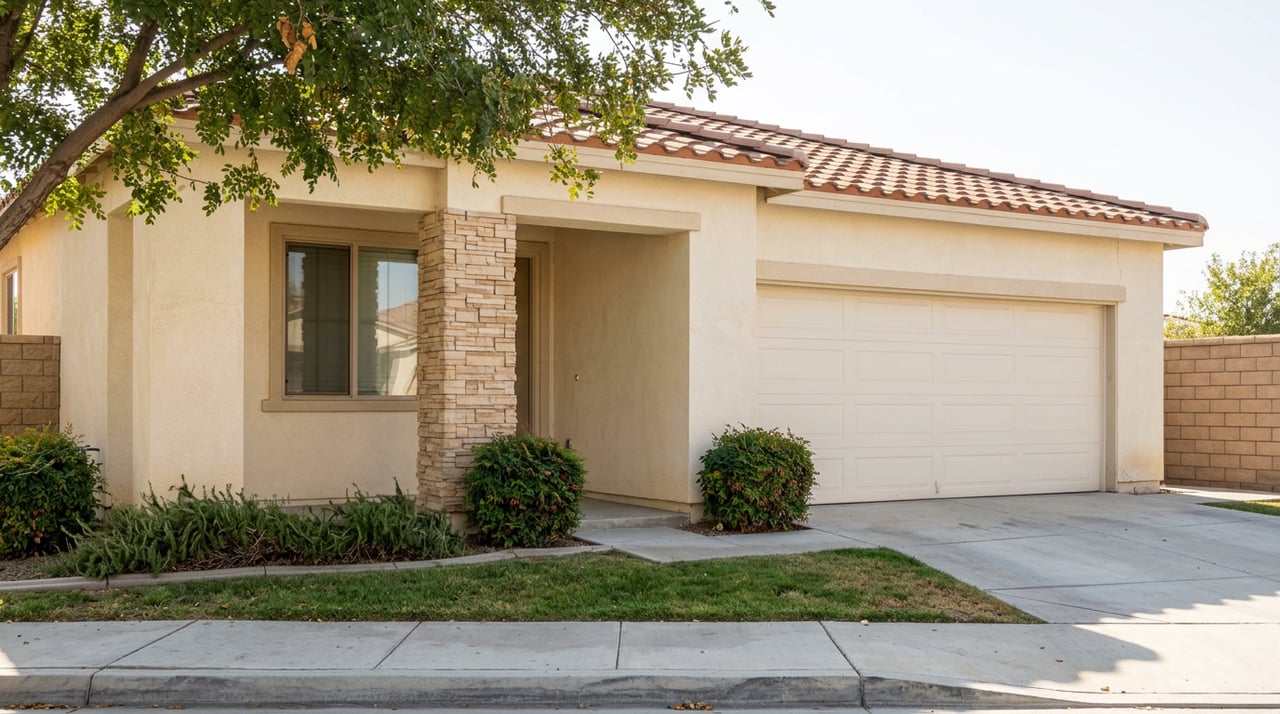
Many value‑minded buyers shop in this range. You’ll often see 2 to 3 bedroom single‑family homes and some 4 bedroom properties at the upper end. Homes closer to Atwater’s core tend to be smaller and more budget‑friendly than newer homes on larger lots near the edges of town. Expect quick interest on clean, well‑priced listings.
Move‑up and newer homes: $475K and up
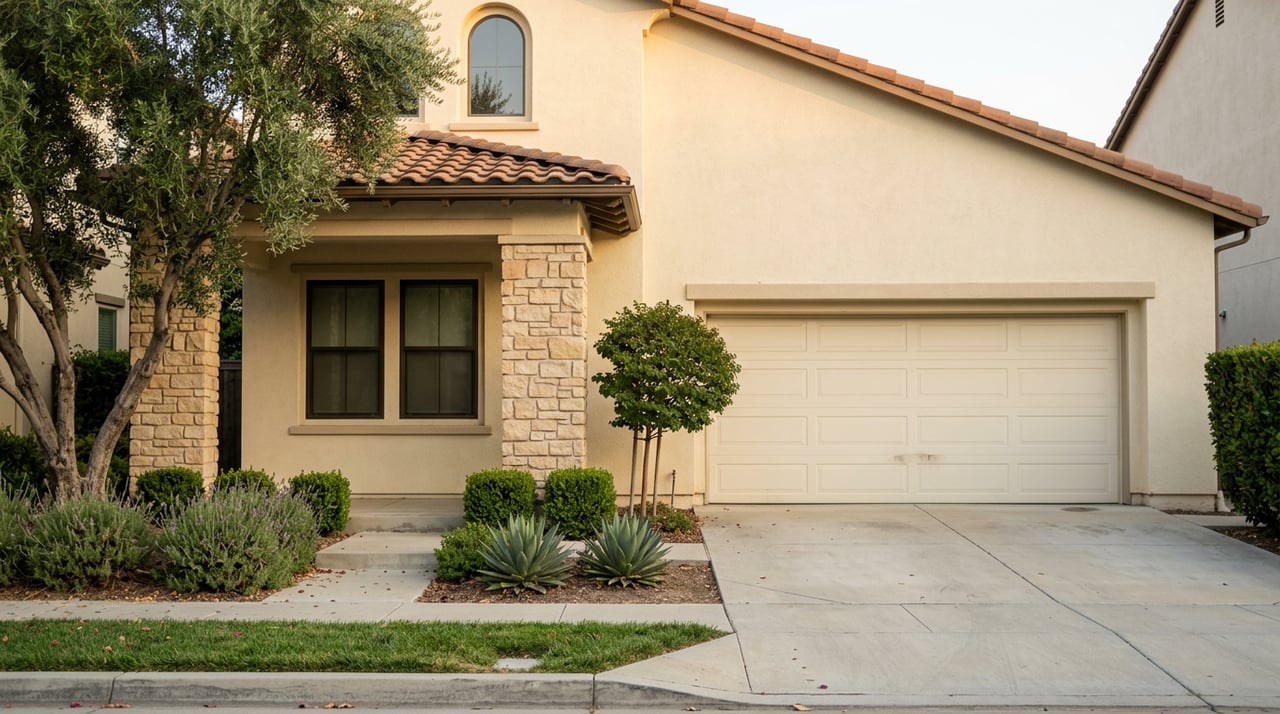
If you want larger square footage, recent construction, or bigger lots, plan for the upper tier. Updated kitchens, newer roofs and systems, and turnkey yards are more common here. This tier can still deliver good value compared with many nearby cities.
Finance smarter to lower cash
Low‑down loan programs to know
- FHA loans: Popular with first‑time buyers for the 3.5% minimum down payment and flexible credit guidelines. FHA loan limits are set each year, so confirm what applies before you shop. See HUD’s 2026 update on FHA limits and always verify county specifics with your lender. Review the HUD announcement.
- Conventional 3% down: Fannie Mae and Freddie Mac offer low‑down options for eligible buyers. These can be competitive when your credit and debt‑to‑income are strong.
- VA loans: 0% down is possible for eligible veterans and service members. This can be a powerful way to reduce upfront cash.
- USDA loans: 0% down for eligible buyers purchasing in USDA‑designated areas. Some addresses in and around Atwater may qualify. Check a property on the official USDA eligibility map before you tour.
Down‑payment help in and around Atwater
- City of Atwater First‑Time Homebuyer program: Administered by Self‑Help Enterprises, this local program can assist with down payment and closing costs. Notable features include a minimum 1% buyer contribution, first‑time buyer status or three years off title, income limits near 80% of area median income, and required counseling. Start with the city’s official program guide and the Self‑Help Enterprises assistance page.
- CalHFA MyHome Assistance: A statewide deferred‑payment junior loan that can provide a few percent toward down payment or closing costs when paired with CalHFA first mortgages. See current limits and rules on the CalHFA MyHome page.
- CalHFA Dream For All (Shared Appreciation): A larger, shared‑appreciation option with limited funding windows. It can dramatically reduce upfront cash for eligible first‑generation, first‑time buyers. Check the latest timing and requirements on CalHFA’s Dream For All page.
Eligibility, funding availability, and income caps change, so confirm details early in your planning.
Conforming and FHA loan limits
For 2026, the national conforming baseline limit is $832,750 for most counties. This helps many Atwater buyers stay in conforming loan territory, which typically means easier underwriting and better pricing than jumbo loans. See the FHFA 2026 conforming limit announcement.
FHA also updates its county limits each year. Merced County’s one‑unit FHA limit is at the HUD floor for 2026, but lenders price from the official county table. Verify your exact limit with your lender and review HUD’s nationwide FHA limits update.
What cash to close looks like
A simple example helps you see the path. Let’s say you target a $400,000 home.
- Down payment at 3%: $12,000
- Typical closing costs at about 3%: $12,000
- Estimated total cash to close: about $24,000
Closing costs vary by lender, taxes, insurance, and prepaid items. You can sometimes ask the seller for a credit to help cover a portion of closing costs, or you can use down‑payment assistance if you qualify. Plan a buffer so you feel comfortable and confident.
Stay competitive without overspending
Get a full preapproval
Ask your lender for a documented, underwritten preapproval rather than a simple prequalification. Sellers take that extra verification seriously, and it reduces surprises later. The CFPB explains the difference between a prequalification letter and a preapproval in this helpful guide.
Be fast, clear, and local
Line up showings quickly, have your preapproval letter ready, and be clear about your preferred closing timeline. Local agents and lenders can move efficiently on appraisals, inspections, and addenda, which can help you stand out when inventory is tight.
Keep your offer clean, protect key rights
A short inspection period, such as 3 to 5 days, shows commitment while still giving you a chance to evaluate the home. Avoid waiving financing contingencies unless your lender confirms your file is solid and you are fully comfortable with the risk.
Use smart incentives
- Earnest money: A slightly higher deposit signals seriousness without overspending.
- Escalation clause: Consider one to top a competing offer by a set amount, up to a hard cap. This can keep you competitive while protecting your budget ceiling.
Plan for appraisal gaps
If you offer above list and the appraisal comes in lower, your lender usually bases the loan on the lower appraised value. You may need to bring the difference in cash.
- Example: You offer $410,000. The home appraises at $400,000. If you included a $5,000 appraisal‑gap pledge, you would bring up to $5,000 extra cash at closing, on top of your down payment and closing costs. Only use an appraisal‑gap provision if you have the reserves and feel confident about the long‑term value.
Prioritize must‑haves
Make a short list of non‑negotiables such as structural soundness, safe systems, and commute tolerances. Keep finishes and cosmetic items on the flexible list. Assign estimated dollar amounts to likely fixes so you do not bid past a comfortable budget for a home that needs immediate work.
Consider alternative entry paths
Manufactured homes or smaller properties can lower your entry price. Just be sure to check financing options, insurance needs, and potential space rent if the home sits in a park. Pair this with homebuyer counseling from Self‑Help Enterprises if you are pursuing assistance programs.
Ongoing costs to budget
- Property taxes: In California, Proposition 13 sets a base property tax rate of 1% of assessed value, plus any voter‑approved assessments. The effective rate on a given home can be higher. For background on how Prop 13 works, review this legal overview. Your lender can help estimate taxes for a specific property during preapproval.
- HOA dues: Many Atwater single‑family neighborhoods do not have HOAs, but some planned communities and condos do. Always review the HOA fee field on listings and ask about special assessments.
- Insurance and utilities: Get quotes early for homeowner’s insurance and, where applicable, flood or wildfire coverage. Utility costs vary by home size, age, and efficiency.
- Commute and services: Atwater sits along State Route 99, about 8 miles from Merced. Shorter local commutes can save time and fuel, which may free up monthly budget. See the Atwater overview for regional context.
Your next steps
- Get fully preapproved with a local, responsive lender.
- Check your eligibility for the City of Atwater program, CalHFA MyHome, and any current Dream For All windows.
- Set a target price band and monthly payment that fit your budget today.
- Tour homes that match your top three must‑haves. Be ready to write quickly on the right fit.
- Use a clean offer with a short inspection window and a firm budget cap.
- Build a cash‑to‑close plan that includes down payment, closing costs, and a small cushion.
If you want a clear plan tailored to your budget and timeline, reach out to Donald & Dora Oliveira. We will walk you through loan options, assistance programs, and a winning offer strategy for Atwater.
FAQs
What is a realistic home budget for first‑time buyers in Atwater?
- Many first‑time buyers target the $325,000 to $475,000 range, with recent medians near the low to mid $400,000s; confirm current prices with live comps before you write an offer.
Which down‑payment assistance programs can Atwater buyers use?
- Start with the City of Atwater First‑Time Homebuyer program, then consider CalHFA MyHome and Dream For All; each has eligibility rules, income limits, and funding windows.
Can I buy in Atwater with 0% down using USDA?
- Some addresses in and around Atwater may qualify for USDA Rural Development loans; check any property on the official USDA eligibility map and confirm with your lender.
How much cash do I need to buy a $400,000 home?
- With 3% down ($12,000) and about 3% in closing costs ($12,000), plan roughly $24,000 in total cash to close, before any seller credits or assistance.
Do manufactured homes in Atwater qualify for standard financing?
- Many do, but rules differ by foundation type, age, and location; some loans exclude homes in parks or require permanent foundations, so check with your lender early.
What do property taxes look like on a $400,000 Atwater home?
- California’s base is about 1% of assessed value under Proposition 13, plus local assessments, so a rough starting estimate is near $4,000 per year, subject to local add‑ons and final lender estimates.